Is Owning a Classic Car Worth It? Costs, Benefits, Risks and What Buyers Should Know
September 23, 2026 · Oldygoldy
Is Owning a Classic Car Worth It?
For the right owner, owning a classic car can absolutely be worth it, but the answer depends on what you expect from the experience.
A classic car is rarely the easiest or cheapest way to get from one place to another. Modern cars are safer, quieter, more fuel efficient and generally require less attention.
Classic cars offer something different.
They provide mechanical character, historic design, driving involvement and a connection to an earlier period of automotive engineering.
That emotional value is the primary reason many people buy them.
But before deciding whether you should buy a classic car, you should consider maintenance costs, storage requirements, reliability, insurance and the condition of the particular vehicle.
The Real Cost of Classic Car Ownership
The purchase price is only the beginning.
A classic vehicle may require expenses for:
- maintenance
- restoration
- tires
- brakes
- fluids
- insurance
- indoor storage
- replacement parts
- specialist mechanics
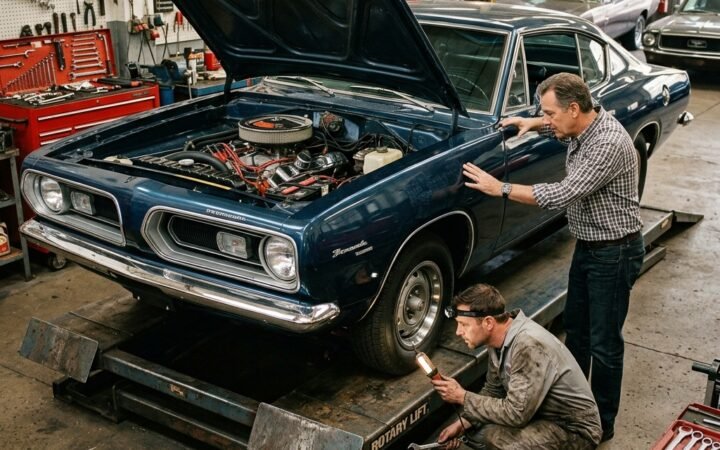
The most dangerous mistake is buying the cheapest example of a desirable model.
A poorly maintained classic can quickly become more expensive than a better example that initially costs significantly more.
Rust is particularly important.
Mechanical components can often be repaired or rebuilt. Severe structural corrosion can require hundreds of hours of metalwork.
Before purchasing any classic automobile, inspect the body, chassis, suspension mounting points, floor pans and known model-specific rust areas.
Are Classic Cars Reliable?
A properly maintained classic car can be surprisingly reliable, but reliability must be judged according to the technology of its period.
A 1960s automobile does not have modern electronic engine management monitoring thousands of parameters every second.
Carburetors may require adjustment.
Ignition systems can need periodic maintenance.
Rubber hoses age.
Electrical connections corrode.
Cooling systems deserve careful attention.
This does not automatically make classic cars unreliable. It simply means they require more active ownership.
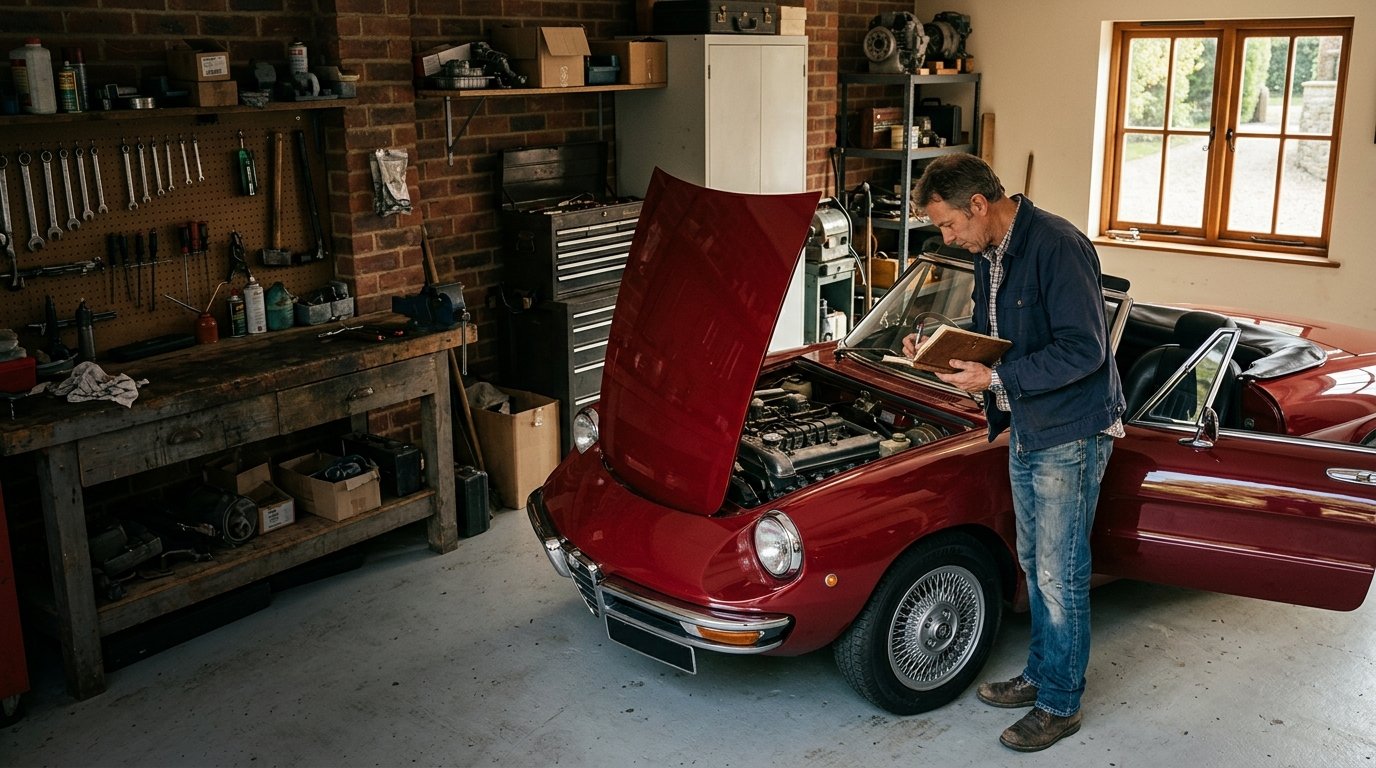
Many experienced collectors regularly inspect their vehicles rather than waiting for warning lights.
Classic Cars Provide a Different Driving Experience
Modern performance cars can generate enormous speed with little effort.
Classic cars usually require more involvement.
The steering may be unassisted.
The gearbox may require deliberate shifts.
Braking distances may be considerably longer.
The tires provide less grip.
That sounds like a disadvantage, but it is also part of the attraction.
Driving at relatively moderate speeds can feel engaging because the driver is constantly interacting with the machine.
In a well-preserved classic, you hear the engine, feel the suspension and operate controls that have a direct mechanical connection.
For many owners, this experience is worth more than outright performance.
Should I Buy a Classic Car as a Daily Driver?
For most people, using an older collectible vehicle as the only daily car is not ideal.
Heavy traffic, poor weather and constant exposure can accelerate deterioration.
Modern crash protection is also dramatically better than what was available decades ago.
However, many classics can be used regularly if properly maintained.
A popular approach is to use the classic on weekends, during good weather and for special journeys while keeping a modern vehicle for everyday transportation.
This reduces wear without turning the classic into a static museum object.
Are Classic Cars Worth It Financially?
Some classic automobiles have increased substantially in value over time.
Others have remained relatively stable or fallen after periods of speculation.
Therefore, buying a classic only because you expect it to appreciate is risky.
Maintenance, insurance and storage expenses also reduce the effective financial return.
A car that increases in value by 20 percent over several years may not produce a genuine 20 percent profit once restoration, maintenance and transaction costs are considered.
The strongest reason to buy a classic is usually because you genuinely want to own and use the automobile.
Potential appreciation should be considered an additional benefit rather than a guaranteed outcome.
Which Classic Cars Are Easier for Beginners?
First-time buyers usually benefit from choosing models with:
good parts availability, active owner communities, specialist support, simple mechanical systems and strong documentation.
Popular models often provide easier ownership because information is widely available.
A rare automobile may appear exciting, but sourcing one small mechanical component can become difficult.
Before purchasing, research parts availability just as carefully as purchase price.
When Is a Classic Car Not Worth It?
A classic car may not be a good choice if you dislike maintenance, do not have appropriate storage or need completely predictable transportation.
It can also become frustrating if the purchase stretches your budget so far that normal maintenance becomes financially stressful.
The ownership experience is usually much better when you have a reserve budget available for unexpected repairs.
Final Perspective
So, is owning a classic car worth it?
For someone interested in automotive history, mechanical engineering and distinctive driving experiences, it often is.
But the value comes primarily from enjoyment rather than guaranteed financial return.
Buy carefully, inspect thoroughly, provide proper storage and choose a car you would still enjoy owning even if its market value never increased.
That approach turns classic-car ownership from speculation into a genuine hobby.
FAQ
Is owning a classic car worth it?
Owning a classic car can be worthwhile for enthusiasts who value driving experience, design and automotive history, but maintenance and storage costs should be considered before buying.
Are classic cars expensive to maintain?
Maintenance costs vary greatly by model, condition and parts availability. Rare cars generally cost more to maintain than widely supported classics.
Should I buy a classic car?
A classic car can be a good purchase if you have suitable storage, a maintenance budget and realistic expectations about reliability.
Can a classic car be used every day?
Some can, but regular exposure to traffic and weather increases wear and deterioration.